
WILL MAKE YOUR EVENTS GO LOUDER
 Visit Our Channel!
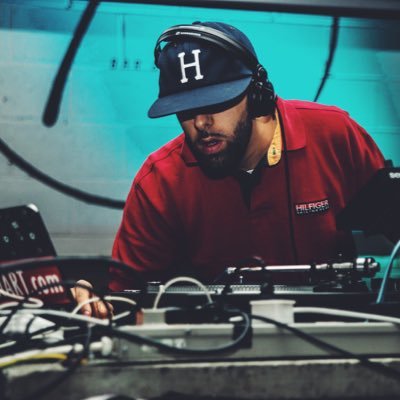
Originally, the "disc" in "disc jockey" referred to gramophone records, but now "DJ" is used as an all-encompassing term to describe someone who mixes recorded music from any source, including vinyl records, cassettes, CDs, or digital audio files stored on USB stick or laptop. DJs typically perform for a live audience in a nightclub or dance club or a TV, radio broadcast audience, or in the 2010s, an online radio audience.
See More ►
Originally, the "disc" in "disc jockey" referred to gramophone records, but now "DJ" is used as an all-encompassing term to describe someone who mixes recorded music from any source, including vinyl records, cassettes, CDs, or digital audio files stored on USB stick or laptop. DJs typically perform for a live audience in a nightclub or dance club or a TV, radio broadcast audience, or in the 2010s, an online radio audience.
See More ►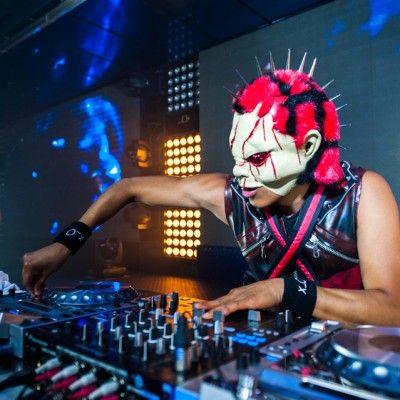
Originally, the "disc" in "disc jockey" referred to gramophone records, but now "DJ" is used as an all-encompassing term to describe someone who mixes recorded music from any source, including vinyl records, cassettes, CDs, or digital audio files stored on USB stick or laptop. DJs typically perform for a live audience in a nightclub or dance club or a TV, radio broadcast audience, or in the 2010s, an online radio audience.
See More ►